
Key Takeaways:
- Understanding the reasons behind missing the golf ball can help improve your swing accuracy and boost confidence.
- Key setup mistakes in your home golf environment, such as incorrect ball position and poor lighting, can lead to frequent whiffs.
- Tools like launch monitors provide valuable data to identify and correct swing faults, making practice more effective.
Why Do I Keep Missing the Golf Ball Completely
You’ve set up, lined up your stance, taken a deep breath, and… whoosh. Your club slices clean through the air, the ball still mocking you from its perfect tee. If the frustration of missing the golf ball completely is starting to overshadow your love for the game, you’re not alone. Every golfer—from brand-new beginners swinging in their garage to seasoned veterans trying out a new home simulator—has asked themselves, “Why do I keep missing the golf ball completely?”
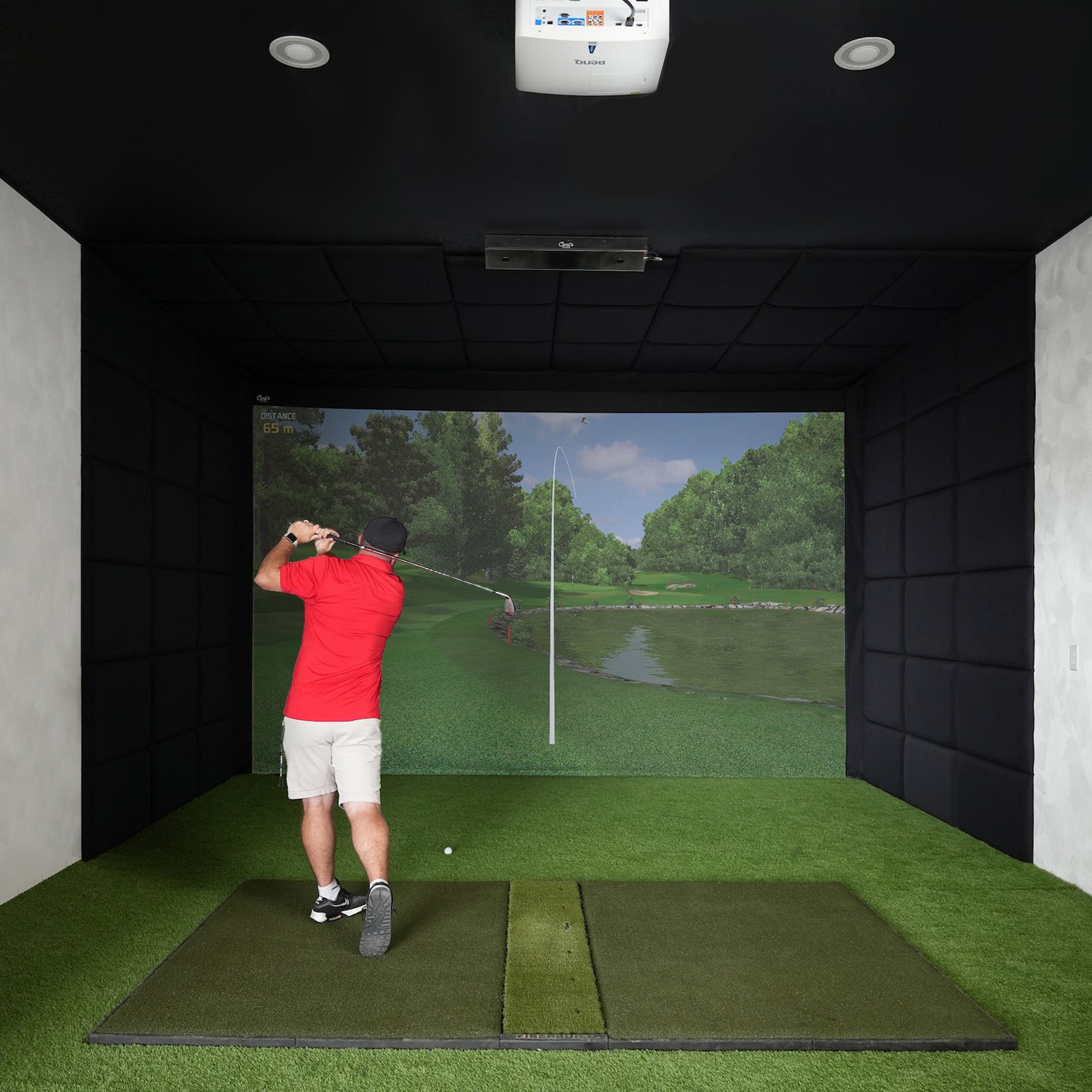
At Golf Simulator Depot, we chase those magical moments when everything clicks, and the satisfaction of a perfect swing outweighs every whiff. Whether you’re practicing in your living room between conference calls, or you’ve invested in a golf simulator studio to train year-round, understanding why these misses happen is the first step to reclaiming your confidence and your swing. Let’s dig into the reasons behind those air shots, how you can fix them, and why a thoughtful home setup might be the secret to fewer misses and more sweet spots.
Common Setup Mistakes That Lead to Whiffs
Missing the golf ball entirely—also called a “whiff”—can make any golfer scratch their head. While swing mechanics are often to blame, your home golf setup plays a surprisingly big role too. Let’s break down a few sneaky setup mistakes that can keep you swinging at air:
1. Incorrect Ball Position
Placing the ball too far forward or backward in your stance throws off your swing arc. If the ball is too close to your lead foot, you might catch only air or the very top of the ball. Too far back, and your club could chunk the mat or whiff over the top. Experiment with ball placement until your club face meets the center of the ball at impact.
2. Standing Too Close or Too Far
Distance from the ball is critical. If you crowd the shot, there’s no room for a natural swing—resulting in slices, tops, and plenty of whiffs. Stand too far away and you’ll end up reaching awkwardly, making solid contact almost impossible. A good rule: let your arms hang naturally, then set the club behind the ball. Adjust as needed for comfort and consistency.
3. Misaligned Feet and Shoulders
Alignment isn’t just for aiming—it impacts your entire swing path. If your feet or shoulders point in the wrong direction, your clubface may never return square to the ball. Place a club or alignment stick on the ground to check your stance and ensure everything’s pointing where you want your shot to go.
4. Uneven Surface or Mat Issues
A bumpy or sloped hitting surface can mess with your balance and timing. Cracked mats, uneven floors, or seams between turf and carpet can lead to inconsistent swings and, yes, more whiffs. Ensure your hitting area is level, secure, and provides stable footing every time you set up.
5. Inadequate Lighting
It might sound simple, but dim lighting can mess with your depth perception and focus. Shadows on the ball or mat can make it hard to judge exactly where to swing. Upgrade the lighting around your simulator or hitting net to keep both the ball and your stance visible and crystal clear.
Your home golf environment is your foundation. Get these fundamentals right, and you’ll find yourself connecting cleanly—no more frustrating whiffs interrupting your round.
The Role of Eye Position in Striking the Ball
You line up with determination, grip the club, start your backswing… and whiff. If this sounds familiar, you’re not alone—missing the golf ball entirely is a rite of passage for many golfers, beginners and veterans alike. But what if one of the biggest culprits is something as simple as where you’re looking?
Eye position is a subtle yet foundational part of connecting with the golf ball. Whether you’re addressing a drive or a pitch shot, where your gaze lands can drastically alter your swing path and impact. Many players, especially when they get nervous or overthink their mechanics, shift their focus too far ahead of the ball or glance up too early to see where the shot is headed. This momentary lapse pulls the shoulders and body out of alignment, causing the dreaded air shot.
Staying locked in with your eyes—specifically, focusing on the back or bottom quadrant of the ball—anchors your head position and stabilizes your swing arc. It keeps you present, engaged, and less likely to lift up or sway off line. Developing this visual discipline takes a bit of practice, and feels almost counterintuitive: the temptation to peek at the outcome is strong, but holding your gaze steady through impact builds a direct connection between your eyes, hands, and clubface.
Small adjustments—such as setting up with your lead eye directly over the ball for certain shots—can also help. It may feel odd at first, but this tweak promotes consistency and improves your chances of solid contact. Next time you tee up, resist the urge to watch greatness unfold until after you’ve finished your follow-through; trust your eye position and let the rest take care of itself.
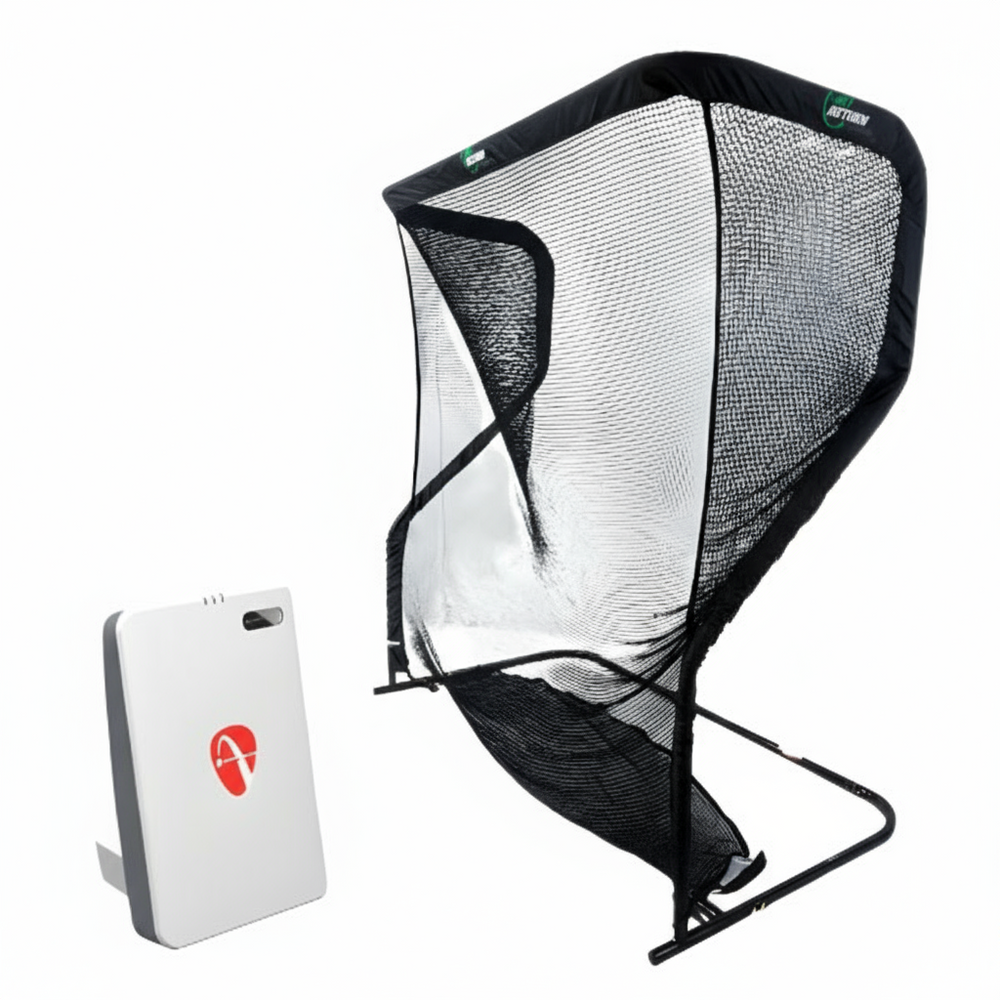
Tired of missing the ball — or hitting wild, unpredictable shots?
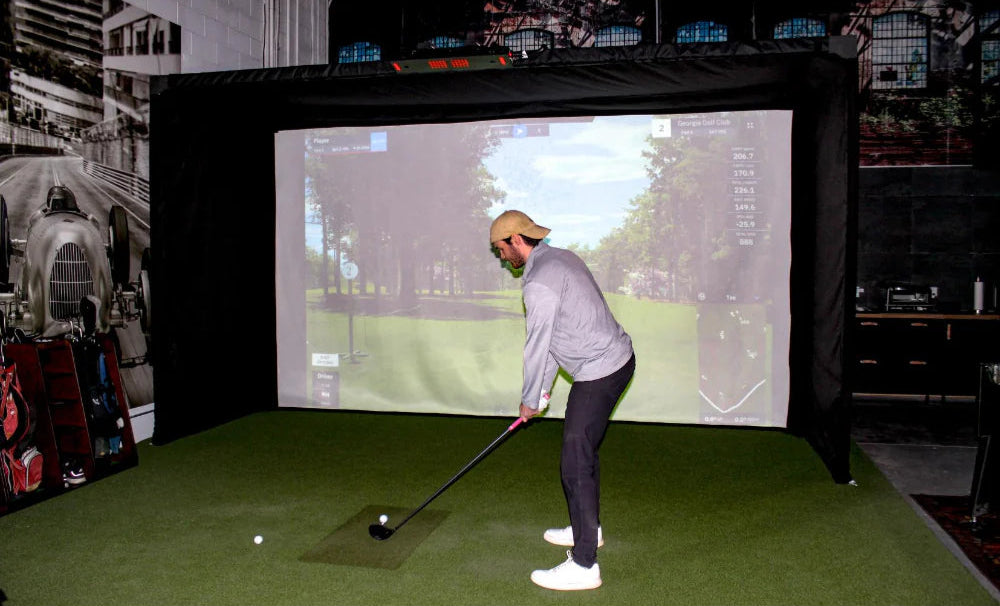
This all-in-one setup turns your frustration into training power:
Accurate feedback on every swing— Mevo Gen2 uses radar + camera fusion tracking to deliver ball and club metrics like carry distance, smash factor, launch angle, spin rate, and more.
Instant shot-by-shot insight — know exactly when you hit fat, thin, off-center, or mis-aligned shots. That clarity is what separates guesswork from meaningful improvement.
Full control of your practice environment — The Net Return net catches and returns every ball, so you can hit dozens of balls with consistent form without chasing down shots.
Timing Issues: Starting Down Too Soon or Too Late
Ever felt like the clubhead is a ghost, passing inches above or below the ball, even when your focus couldn't be sharper? The culprit is often your timing. Whether you’re too eager to smash a drive or too cautious, starting your downswing a split second early or late ruins the delicate dance between club and ball.
Here’s what’s happening: If you lunge down too soon, your weight may shift before your arms catch up, pulling the club across your body and causing a dreaded whiff. Wait too long, and your upper body, hungry for action, races ahead while your lower half lags, throwing off your entire swing sequence.
What’s the fix? Embrace rhythm—a smooth pendulum from takeaway to finish. Practice with intent: count “one, two” for your backswing, “three” for your swing down. It sounds simple, but breaking the swing into beats helps your body remember the tempo and gives your arms time to catch up to your hips.
You can also try pausing ever-so-briefly at the top of your backswing. This microsecond checkpoint eliminates rushed motions, helping you sync up your body parts for flawless contact. Brush up with slow-motion drills or use video replay to spot your timing hiccups. Small changes in rhythm can mean big changes in ball-strike consistency—so don’t rush the process.
Grip Pressure: Too Tight to Make Solid Contact
It’s a feeling every golfer knows: you step up with focus, you swing with intention… and you whiff. There’s a surprising culprit behind missing the golf ball completely, and it lives right in your hands—grip pressure.
Imagine holding a bird. Squeeze too tightly, and you’ll harm it; too loosely, and it’ll slip away. The same is true for your golf club. When nerves build or frustration bubbles up, many golfers unconsciously grip the club like a vise. That tension restricts wrist mobility and stiffens your forearms, making it almost impossible to let the clubhead naturally release through the ball. Instead, you’re left chopping at the air or swinging over the top of your shot.
The golf swing is a rhythm, not a wrestle. Want better contact? Check your grip right now—if your knuckles are white or your fingers ache after a practice session, you’re likely missing out on both distance and accuracy. Experts recommend gripping the club firmly enough to maintain control, but softly enough to allow your wrists to hinge and release. A relaxed grip promotes a smooth takeaway, a proper downswing, and, most importantly, consistent contact.
If you’re missing the golf ball completely, your hands might be trying too hard. Loosen the grip, find your tempo, and let the club do the work. The next swing might just surprise you.
Over-the-Top Swings and the Air Shot
If you’ve ever wound up, swung with all your might, and watched your club slice through nothing but air, you’re hardly alone. The dreaded air shot is a rite of passage for golfers at every level, often caused by a common culprit: the over-the-top swing.
An over-the-top swing happens when the club travels too far outside your target line on the downswing, usually as a result of shifting your shoulders towards the ball before your lower body starts to rotate. This causes the club to approach the ball from a steep, awkward angle—leading to all sorts of mishits, and, yes, those embarrassing whiffs. For beginners, nerves and tension often bring out this move, while experienced players sometimes develop it as a bad habit under pressure.
Why does this swing flaw so reliably cause a miss? It all comes down to timing and club path. If your club doesn't return to the spot where the ball awaits, and especially if you’re coming at it from outside-in, you may zip right over the top—striking the air above the ball or grazing its outer edge. The result: no satisfying contact, just a moment of silence and maybe a rueful laugh.
The good news? Recognizing the mechanics behind over-the-top swings is the first step toward hitting the sweet spot. By focusing on lower body rotation and letting your arms drop naturally into place as you start your downswing, you can retrain your motion and stack the odds in favor of solid contact.
Ready to move past those “ghost swings”? There’s always another shot waiting—one step closer to that perfect connection.
Using a Launch Monitor to Detect Strike Patterns
Struggling to even make contact with the golf ball can be incredibly frustrating—especially when you’re practicing with unwavering focus, yet still finding yourself swinging at air. One of the most effective tools to break out of this cycle is the modern golf launch monitor.
A launch monitor does more than just spit out numbers—it acts like a digital mirror for your swing mechanics. With instant feedback on every shot (or miss), you get a crystal-clear view of your club path, face angle, and attack angle. If you’re consistently whiffing, the data reveals telling patterns: is your club too steep or too shallow, are you swinging too far inside-out, or maybe your ball position is sabotaging your setup?
These advanced devices track exactly where your clubhead is in relation to the ball, so you can immediately spot if you’re topping, swinging over, or simply not reaching the ball at all. This kind of pinpoint feedback is hard—if not impossible—to get from the naked eye or even a smartphone video.
Once you spot your personal strike pattern, you can change just one variable at a time—like adjusting your stance width, grip, or posture—and measure what actually works in real time. There’s no more guessing and no wasted reps. Launch monitors empower you to practice smarter, not just harder, and build those hard-earned improvements into your muscle memory—so the next time you take a swing, you’ll actually feel (and hear) contact.
Conclusion: Turn Frustration Into Progress—Right at Home
Missing the golf ball completely can seem like a setback, but it’s actually an opportunity—a signal that with just a bit of guidance and practice, you’ll unlock more consistency and confidence in your swing. Whether you’re just starting or you’ve played for years, overcoming this challenge is part of every golfer’s growth.
At Golf Simulator Depot, we believe practice shouldn’t be limited by weather, location, or schedule. That’s why we bring the best in golf technology directly to your home or business. Imagine diagnosing your swing with precision launch monitors, tweaking your stance with realistic hitting mats, and seeing your progress each session—no judgment, just data and encouragement. Our team is here with expert advice, top-tier gear, and hands-on support to help you turn those “whiffs” into pure contact—rain or shine.
Don’t let missed shots keep you off the course or stall your passion. Bring the joy of golf into your home, sharpen your skills year-round, and make every swing count. From your first solid hit to your lowest round yet, Golf Simulator Depot is with you every step, bringing precision, fun, and improvement right to your doorstep.

Transform your home practice with the all-in-one Rapsodo MLM2Pro + Net Package
Get instant, data-driven feedback and real-ball feel, without ever chasing shots again. Whether you’re training in a basement, garage, or backyard, this setup brings the range to you. Stop guessing and start improving — build muscle memory with every swing and see real progress. Ready to elevate your game?
FAQs About Missing the Golf Ball & Common Golf Questions
Why do I pull all my shots?
Pulling your shots—hitting the ball left of your target if you’re right-handed—often comes down to a closed clubface or an outside-to-inside swing path. Double-check your grip, stance, and alignment. A home golf simulator from Golf Simulator Depot can provide instant feedback, so you can see your ball flight, swing path, and clubface at impact on every shot. This helps you identify and correct pulls before they become a bad habit.
How do I increase my aim?
Dialing in your aim starts with proper alignment and consistent practice. Make sure your feet, hips, and shoulders are parallel to your target line, and use alignment sticks or the visual feedback from a simulator to stay on track. Golf Simulator Depot’s setups give you data on starting direction and face angle, taking the guesswork out of your practice so you can consistently aim better—rain or shine.
What's my golf handicap if I shoot 90?
If you regularly shoot 90 on a par 72 course, your golf handicap is generally around 18. This number can vary based on course difficulty, but shooting 18 over par typically equals an 18 handicap. Pairing your practice with detailed simulator stats from our pro-level monitors at Golf Simulator Depot can help you track your progress—and chip away at your handicap faster.
What is a good golf score for an average golfer?
A “good” golf score for the average player is usually between 90 and 100 on a standard 18-hole course. Breaking 100 is a milestone for many golfers, and regular access to data-driven practice with a home simulator can help you reach this benchmark and set your sights even lower.
What percent of average golfers break 90?
Fewer than 25% of recreational golfers break 90 consistently. It’s a great achievement for anyone playing the sport. If you’re looking to join that club, investing in accurate tools and feedback—like those offered by Golf Simulator Depot—can dramatically improve your game, whether you’re in your living room, garage, or a dedicated home studio.
Let Golf Simulator Depot bring the joy of golf into your home and help you take those next steps toward your best scores ever!

